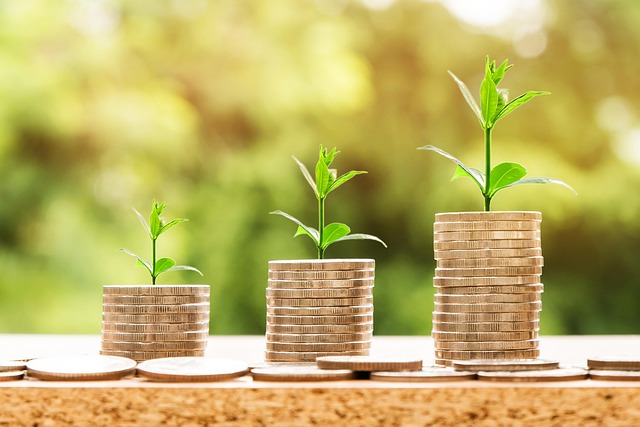
Economic growth significantly influences real estate demand, with prosperous economies driving market activity across property types. Strong economic indicators lead to higher disposable incomes and increased investment interest. Historical data shows correlations between robust growth and spikes in property transactions, particularly in urban areas. Understanding these trends allows professionals to adapt strategies during expansions, develop mixed-use properties, and anticipate future challenges like competition or shifting consumer preferences for long-term success. Urbanization drives global housing markets, creating demand for real estate but often outpacing infrastructure development. Mixed-use developments and vertical urbanization enhance urban livability while minimizing environmental impact. Economic booms increase real estate demand, presenting opportunities and challenges for investors. Successful strategies involve focusing on growing cities, sustainable homes, diversifying investment portfolios, and monitoring economic indicators.
In the dynamic landscape of global economies, periods of economic prosperity often fuel a surge in property demand—a phenomenon that underscores the intimate connection between boom times and real estate markets. This article delves into the intricate dynamics driving this trend, examining how robust economic conditions inflame buyers’ enthusiasm for housing investments. By exploring the underlying factors, we aim to offer profound insights that can guide both industry professionals and prospective homeowners in navigating these pivotal times, ensuring informed decisions in a rapidly evolving market.
Economic Growth Drives Real Estate Demand
Economic growth is a powerful driver of real estate demand, as prosperous times tend to inflate the market across various segments, from residential to commercial properties. As economies expand, job opportunities increase, leading to higher disposable incomes for many. This surge in purchasing power translates directly into heightened interest and affordability for real estate investments. For instance, historical data reveals that periods of robust economic growth often coincide with significant spikes in property transactions, particularly in urban centers where the demand is highest.
The relationship between economic health and real estate market dynamics is intricate. When an economy booms, there’s a ripple effect across sectors, including construction and development. Developers are encouraged to embark on ambitious projects due to the favorable climate, resulting in new supply entering the market. However, this balance can be delicate; if growth outpaces new supply, it can lead to escalating prices and increasing scarcity of affordable housing options—a scenario that has played out in many rapidly growing cities worldwide.
Understanding these trends is crucial for both real estate professionals and investors. During periods of economic expansion, staying attuned to emerging market demands and adapting strategies accordingly can yield significant advantages. For example, focusing on developing mixed-use properties that cater to the diverse needs of urban dwellers during boom times can be highly lucrative. Moreover, keeping an eye on potential future challenges, such as increased competition or shifting consumer preferences, allows for proactive decision-making that ensures long-term success in a dynamic real estate landscape.
Urbanization and Housing Needs

Urbanization, a global trend, poses significant challenges and opportunities for housing markets worldwide. As cities expand, accommodating growing populations becomes paramount, leading to a surge in property demand. This phenomenon is particularly evident in developing economies where rapid urbanization often outstrips infrastructure development, exacerbating housing shortages. For instance, in countries like China and India, the urban population has been expanding at an unprecedented rate, putting immense pressure on real estate sectors to meet these needs.
The consequences of this imbalance are far-reaching. Inadequate housing options can result in overcrowding, impacting public health and overall quality of life. It also fosters the growth of informal settlements, which lack essential services and infrastructure. To mitigate these issues, governments and real estate developers must work collaboratively to devise sustainable solutions. One approach involves promoting mixed-use developments that integrate residential spaces with commercial and recreational areas, fostering vibrant urban communities. For example, many major cities are embracing vertical urbanization by constructing high-rise buildings, maximizing land use and providing much-needed housing options.
Furthermore, addressing the environmental impact of urban expansion is crucial. Eco-friendly real estate practices, such as energy-efficient designs and green spaces, can create sustainable urban environments while meeting housing demands. Governments should incentivize developers to adopt these practices through tax benefits and regulatory frameworks. By embracing innovation and collaboration, cities can navigate boom times, ensuring that property demand translates into well-planned, livable communities that cater to the needs of their residents.
Understanding Market Dynamics for Investors

In periods of economic prosperity, a surge in demand for properties naturally occurs, as individuals seek to secure assets and improve their living standards. Understanding market dynamics during these boom times is crucial for investors looking to navigate this landscape effectively. The real estate sector often becomes a focal point during such periods due to its inherent stability and potential for significant returns.
Market indicators suggest that increased consumer confidence and disposable income drive the demand side, while limited housing supply exacerbates the situation, creating a perfect storm for property values to rise rapidly. For instance, post-recession recoveries have historically shown robust growth in real estate markets, with prices rising by double digits in certain regions over a few years. This dynamic presents both opportunities and challenges for investors; seizing early entry points can lead to substantial gains, but it requires meticulous analysis of local trends and market drivers.
Investors should employ strategies that leverage emerging patterns, such as focusing on rapidly growing cities or sectors like sustainable and smart homes, where demand is outpacing supply. Additionally, diversifying investment portfolios across different property types and locations can mitigate risk. Staying abreast of economic indicators and government policies related to real estate is vital; these factors significantly influence market dynamics and can signal turning points for investors. By embracing a proactive approach that combines deep market knowledge with a keen eye for emerging trends, investors can navigate boom times successfully and capitalize on the inflated demand in the competitive real estate arena.