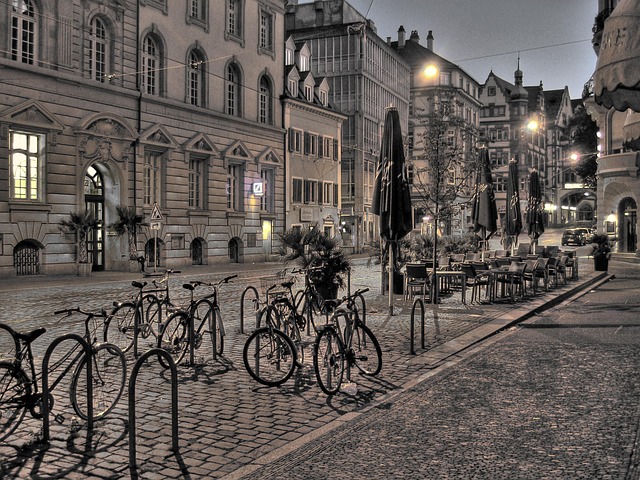
Economic prosperity drives global real estate demand, leading to higher property values, quicker sales, and elevated rental rates. Population growth and urbanization accelerate housing needs, particularly in major cities. Investment trends reflect robust economic growth, low interest rates, and safe haven asset status, with institutional, sovereign wealth funds, e-commerce, and private investors participating. Market conditions favor continued investor interest and industry growth, emphasizing the need for thorough market research and sustainable technologies in real estate development.
In the dynamic landscape of global real estate, understanding the drivers behind fluctuating property demand is paramount for investors, developers, and urban planners alike. Boom times, characterized by economic prosperity and growing populations, naturally inflate housing needs, creating a complex challenge. As cities expand, managing this influx sustainably becomes crucial to prevent overcrowding and maintain livable environments. This article delves into the multifaceted issues surrounding heightened property demand during periods of economic growth, offering insights into strategies for responsive real estate development and urban design solutions.
Economic Boom: Drivers of Increased Property Demand
Economic booms are a powerful catalyst for property demand, driving up both residential and commercial real estate markets. During periods of robust economic growth, job security improves, incomes rise, and consumer confidence soars. This, in turn, leads to increased discretionary spending on larger purchases such as homes or commercial properties. For instance, according to the National Association of Realtors (NAR), a strong economy with low unemployment rates historically correlate with higher home sales.
Real estate naturally benefits from these macroeconomic trends. As more individuals and businesses seek permanent residences or expand their commercial footprint, competition for available properties intensifies. This dynamic often results in higher property prices, faster sale times, and increased rental rates. For example, during the tech boom of the late 1990s, major cities like Silicon Valley experienced a surge in demand for residential and office spaces, leading to unprecedented real estate values.
Experts attribute this phenomenon to several interconnected factors. Firstly, booming industries create a ripple effect across various sectors, including construction and property development. As businesses expand, they require larger offices or specialized facilities, further driving commercial real estate demand. Secondly, economic growth often goes hand-in-hand with infrastructure developments such as new roads, public transport systems, and utilities, which enhance the appeal and accessibility of certain areas. These improvements can significantly impact property values over time. Lastly, during boom times, investors turn towards real estate as a safe haven for their capital, contributing to increased investment and demand in both primary and secondary markets.
Population Growth & Urbanization: Expanding Real Estate Markets

Population growth and urbanization are driving forces behind a significant rise in property demand globally. As cities expand to accommodate larger populations, real estate becomes a crucial component in shaping urban landscapes. According to recent global trends, the demand for housing in metropolitan areas is expected to grow by 75% between 2018 and 2030, presenting both opportunities and challenges for developers and investors. This surge in demand can be attributed primarily to urbanization, as people migrate to cities in search of better employment prospects, education, and improved quality of life.
Cities like Tokyo, Beijing, and New York have experienced rapid growth, leading to intense competition for limited housing stock. In such densely populated areas, real estate developers must navigate complex regulatory environments and embrace innovative design solutions to meet the needs of a growing population. For instance, vertical development has become a popular strategy, with high-rise buildings offering efficient use of space and land. This trend is particularly evident in East Asia, where cities have embraced dense urban living to accommodate their large populations.
To capitalize on this booming market, real estate investors and developers should focus on understanding local dynamics. Conducting thorough market research to identify emerging trends, such as the shift towards mixed-use developments that blend residential, commercial, and retail spaces, is essential. By staying ahead of these trends, professionals in the industry can anticipate changes in consumer preferences and adapt their strategies accordingly. Additionally, investing in sustainable and smart building technologies will be beneficial, as environmentally conscious consumers increasingly prefer energy-efficient properties.
Investment Trends: Why Buyers Are Flocking to Real Estate

In recent years, the real estate market has experienced a significant surge in investment trends as buyers from diverse financial backgrounds flock to secure properties. This boom can be attributed to several factors, including robust economic growth, low-interest rates, and a growing recognition of real estate as a safe haven asset class. According to global real estate firm Knight Frank, the total value of commercial and residential property across the globe reached an astonishing $126 trillion in 2021, underscoring the immense appeal and stability that real estate offers investors.
One prominent trend is the increasing interest from institutional investors and sovereign wealth funds who are diversifying their portfolios by investing heavily in real estate. These large-scale buyers recognize the sector’s potential for steady returns and long-term capital appreciation. For instance, BlackRock, one of the world’s largest asset managers, has consistently expanded its real estate investment arm, highlighting the attractiveness of this market to even the most prominent financial institutions. Additionally, the rise of e-commerce and the subsequent need for logistics and industrial spaces have spurred significant investment in these sectors, further inflating property demand.
Private investors, too, are taking note of the opportunities presented by the real estate market. Many are turning to alternative investments in real estate through Real Estate Investment Trusts (REITs) or crowdfunded platforms, enabling them to participate in a diverse range of properties without the need for substantial capital. This democratization of investment has contributed to a more inclusive and dynamic real estate landscape. As market conditions continue to favor investors, experts predict that this trend will persist, driving further growth and innovation within the industry.