Economic booms and demographic shifts significantly impact global real estate markets. Increased disposable incomes drive investment and property price hikes, affecting both commercial and residential sectors. Urban areas experience high demand due to population growth, challenging infrastructure and causing competitive markets. By 2050, urbanization will reach 68% globally, requiring sustainable development practices like mixed-use zoning, green spaces, and affordable housing incentives for balanced urban growth.
In an era defined by rapid economic growth and rising populations, the demand for housing has never been higher. Boom times, while celebrating, inflate property markets, leading to a squeeze on affordable real estate. This surge in demand presents both challenges and opportunities, particularly in urban centers where the need for quality, accessible housing is most acute. Understanding these dynamics is crucial for navigating today’s complex real estate landscape and ensuring that growth benefits all members of society. This article delves into the factors driving this trend, analyzes its impact on local markets, and offers insights into sustainable solutions for meeting the demand for real estate in boom times.
Economic Boom: Fueling Housing Market Demand
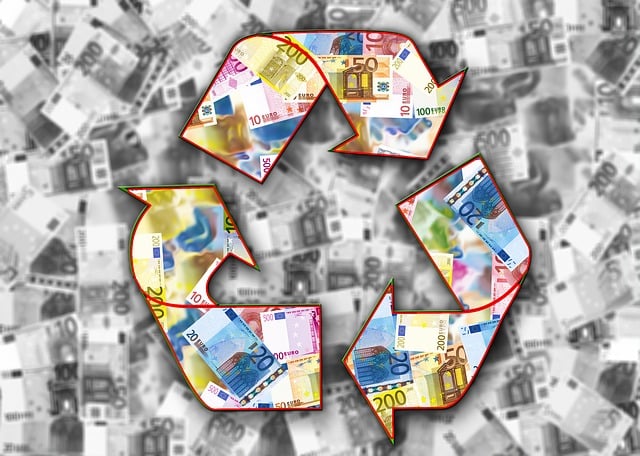
Economic booms have a profound impact on the real estate market, significantly inflating property demand. During periods of robust economic growth, job security increases, leading to higher disposable incomes for many individuals and households. This enhanced financial stability encourages people to invest in real estate, whether for personal living or as an investment. For instance, the global tech boom in the late 1990s sparked a surge in housing demand, with cities like Silicon Valley experiencing exponential growth in property values.
The impact of an economic upswing on the housing market is multifaceted. Firstly, it increases the number of buyers active in the market, driving up competition for available properties. This competitive environment often leads to higher prices as sellers capitalize on the favorable conditions. Moreover, economic booms can trigger a ripple effect across various real estate sectors. Commercial property demands may surge due to expanding businesses, while residential areas experience renewed interest from families seeking more comfortable living spaces. According to a recent report by the National Association of Realtors, U.S. existing-home sales rose 15% year-over-year during the peak of the last economic boom in 2021.
However, navigating this heightened demand requires careful consideration. Homebuyers should assess their financial capacity to avoid overextending themselves, particularly with rising interest rates. Similarly, sellers must recognize that while booms create advantageous conditions, they also attract competitive offers. Expert advice suggests conducting a thorough market analysis and setting realistic expectations to ensure successful transactions during these periods of high demand. As the economy continues its upward trajectory, real estate professionals are anticipating another wave of activity in the housing market, underscoring the importance of staying informed and strategically positioned for the impending changes.
Demographic Shifts: Population Growth Impacts Real Estate
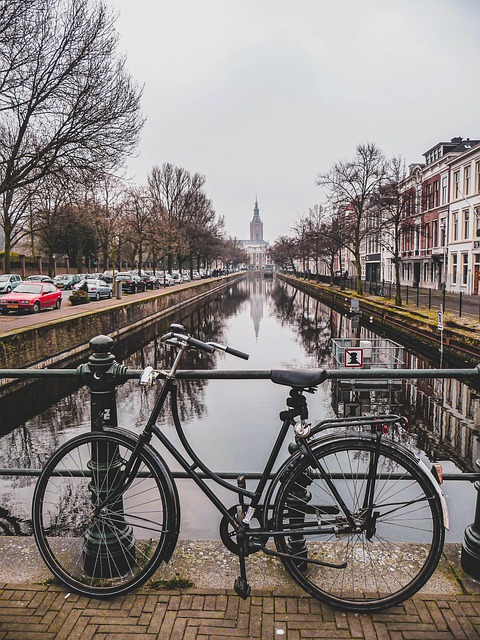
Demographic shifts, driven primarily by population growth, significantly influence global real estate markets. As urban areas continue to attract young professionals and families seeking better opportunities, demand for housing surges. According to a recent UN report, over 70% of the world’s population will live in cities by 2050, underscoring this trend. This urban influx puts immense pressure on existing real estate infrastructure, leading to higher property prices and increased competition.
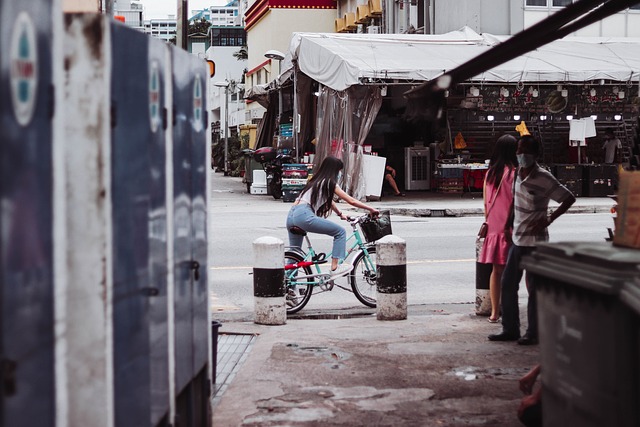
For instance, cities like Singapore and Hong Kong have experienced substantial population growth, resulting in heightened demand for both residential and commercial spaces. In these highly developed metropolises, land is scarce, driving up real estate values. Similarly, in emerging economies, rapid urbanization has created a significant need for affordable housing, prompting developers to construct high-density apartments and mixed-use complexes. This shift towards urban living not only changes the landscape of real estate but also influences development patterns, with a greater emphasis on vertical expansion rather than horizontal sprawl.
Real estate investors and developers must closely monitor these demographic trends to make informed decisions. Understanding population growth patterns allows professionals to anticipate areas of high demand, enabling them to invest strategically. For instance, investing in affordable housing initiatives or developing mixed-use properties that cater to young professionals can capitalize on the growing urban population’s needs. Additionally, staying ahead of migration trends can help real estate experts identify emerging markets, ensuring their portfolio’s diversity and long-term sustainability.
Urbanization Trends: City Expansion and Property Scarcity

Urbanization trends play a pivotal role in shaping global real estate markets, particularly as cities expand to accommodate growing populations. This phenomenon has led to a significant increase in property demand, especially in metropolitan areas. According to recent studies, urban centers are experiencing rapid growth, with an estimated 68% of the world’s population set to live in cities by 2050. This urban shift has profound implications for real estate naturally, as the scarcity of livable spaces becomes a pressing issue.
Cities worldwide are facing challenges in keeping up with this demand due to limited land availability and stringent zoning regulations. For instance, densely populated urban centers like Tokyo and Singapore have seen property prices skyrocket, making housing unaffordable for many residents. As cities expand horizontally and vertically to accommodate their inhabitants, real estate developers are left with few options but to construct high-rise buildings and redevelop existing urban areas. This trend has not only altered the cityscape but also increased competition for prime real estate, further inflating property prices.
To mitigate these challenges, urban planners and policymakers must focus on sustainable development practices. Encouraging mixed-use zoning, promoting green spaces within cities, and implementing efficient land-use strategies can help alleviate housing shortages. Additionally, providing incentives for developers to construct affordable housing units can ensure that growing cities house a diverse range of residents. As urbanization continues to shape the global landscape, a balanced approach to real estate development is essential to create vibrant and livable urban environments.